|
中間性
-
怎樣對待中間性 |
|
社會-文化的態度
-
法律傳統
|
|
個人身份認證 |
幾乎在所有的國家裏,法律承認只有兩個性別——女性和男性。在各自的出生證、教育和健康登記冊、駕駛證、身份證和護照等的官方檔案裏登記的要麼是一個性別,要麼是另一個性別。至於在法律記載中,一個人要麼是女性,要麼是男性。別無選擇。
雖然這種傳統的簡單而嚴謹的男女區分對於絕大多數人會有用,它卻給少數族群帶來了麻煩。真真切切,在某些西方國家,法律現在允許有性別的例外認證:變性者(transsexuals)在成功實施外科性別改換手術以後,可以有自己的個人身份證件(中國大陸目前也有少數變性者變換身份檔案的事例,但是只是通過民政部的行政解釋作出的決定,而尚無法律的正式條款認證身份改變。——譯者注),但是仍舊是這樣,這種性別改變只是從女性改變成男性,反過來也是這樣。在澳大利亞僅有唯一的例外,在那裏有一位中間性者曾經成功地獲得了記錄有“X”性別的護照,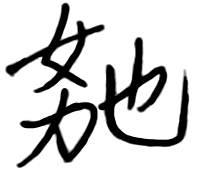 既不是女性也不是男性(“”——譯者首創的漢字,即這個中間性者的代稱,發音和他/她相同。在這裏作代詞用,是否合適?倒是值得考慮。所以,譯者不妨創用新的代詞指稱這種第三性別的人,中文可以考慮用“男”和“女”字簡化為偏旁部首,作上下結構,保留“也”字,置右側,所以譯者不妨在此創用“”。至於英文怎樣對應創用這個代稱,需要英語語言文字學家思考——譯者注。)這個先例也許證明有助於其他中間性者,不過是否會成為對所有的中間性者實用的解決方案,則頗為令人懷疑。顧及到中間性的寬泛的性象譜,人們可以推測他們中大多數人完全滿足於在男女性別之間作出選擇。他們的性健康擔憂(concern)有些許差別:既然許多中間性不被認可或在出生的當口被誤診,並且以他們後來拒絕的性角色被撫養,那麼,他們就願意作出決定:他們的性別按照自己的性別認同來確認,而不是按照其生理性別來確定。在往後的青春期或成人期再來選擇自己的性別,即使想就生物學上的狀況作出某種改變,那也會太遲了;生物學上的特徵不應該是決定性別的唯一標準。應該被考慮的是作為女性或男性的內心信念。如果據此需要對所有的個人檔案中的性別登記加以變更,現在應該要變得更加容易。換一句話說,大多數中間性者不是抱怨要麼選男要麼選女的如此過少餘地的選擇,而是批評不能申請對自己的性別認證作出改變。如果法律在改變性別認證方面有更多的迴旋餘地,這可能對許多中間性者會有所幫助,(因為)他們現在仍然遭受著不必要的困擾。 既不是女性也不是男性(“”——譯者首創的漢字,即這個中間性者的代稱,發音和他/她相同。在這裏作代詞用,是否合適?倒是值得考慮。所以,譯者不妨創用新的代詞指稱這種第三性別的人,中文可以考慮用“男”和“女”字簡化為偏旁部首,作上下結構,保留“也”字,置右側,所以譯者不妨在此創用“”。至於英文怎樣對應創用這個代稱,需要英語語言文字學家思考——譯者注。)這個先例也許證明有助於其他中間性者,不過是否會成為對所有的中間性者實用的解決方案,則頗為令人懷疑。顧及到中間性的寬泛的性象譜,人們可以推測他們中大多數人完全滿足於在男女性別之間作出選擇。他們的性健康擔憂(concern)有些許差別:既然許多中間性不被認可或在出生的當口被誤診,並且以他們後來拒絕的性角色被撫養,那麼,他們就願意作出決定:他們的性別按照自己的性別認同來確認,而不是按照其生理性別來確定。在往後的青春期或成人期再來選擇自己的性別,即使想就生物學上的狀況作出某種改變,那也會太遲了;生物學上的特徵不應該是決定性別的唯一標準。應該被考慮的是作為女性或男性的內心信念。如果據此需要對所有的個人檔案中的性別登記加以變更,現在應該要變得更加容易。換一句話說,大多數中間性者不是抱怨要麼選男要麼選女的如此過少餘地的選擇,而是批評不能申請對自己的性別認證作出改變。如果法律在改變性別認證方面有更多的迴旋餘地,這可能對許多中間性者會有所幫助,(因為)他們現在仍然遭受著不必要的困擾。 |
|
|
|
Intersexuality - Dealing with Intersexuality |
|
Socio-cultural Attitudes - Legal Traditions
|
|
Personal identification |
 In virtually all countries, the law recognizes only two sexes - female or male. Either one or the other is recorded in the respective official documents – birth certificates, educational and health records, drivers licences, identification cards, passports, etc.
For the law, a person is either female or male. There is no other option. In virtually all countries, the law recognizes only two sexes - female or male. Either one or the other is recorded in the respective official documents – birth certificates, educational and health records, drivers licences, identification cards, passports, etc.
For the law, a person is either female or male. There is no other option.
While the traditional simple and strict distinction is helpful for the vast majority of people, it can create problems for a small minority. Indeed, in some Western countries, the law itself has now allowed an exception: Transsexuals may have their personal papers changed after a successful surgical sex reassignment, but again, the change is only from femaleness to maleness or vice versa. There has been only one unique case in Australia, where an intersexual person succeeded in obtaining a passport recording his sex as “X” i.e. neither female nor male. This precedent might prove helpful to some others, but whether it would be a practical solution for all intersexes is more than doubtful. Considering the wide spectrum of intersexualities, one can assume that most of them are quite content with the choice between female or male. Their concern is somewhat different:
Since many intersexes are unrecognized or misdiagnosed at birth and raised in a gender role that they may later reject, they want one factor to be decisive: Their sexual self-identification, not their physical sex. Even if, in late adolescence or adulthood, it is too late to do anything about the biological status, it should not be the sole criterion. What should be considered instead, is the inner conviction of being female or male. If this then requires a change in all personal documents, it should be made easier than it is today.
In other words, most intersexes do not resent the narrow female/male alternative as such, but rather its inflexible application. If the law were to allow more leeway in these matters, many individuals could be helped who are now still encountering unnecessary problems. |