赫希菲爾德性學資料庫
Archiv für Sexualwissenschaft
原著:[德]歐文•黑伯樂(Erwin Haeberle);譯者:[中國]彭曉輝;校對者:[美]阮芳賦
Original: Erwin Haeberle [Germany]; Translator: Xiaohui Peng [China]; Reviser: Fang-fu Ruan [USA]


| 1938年 |
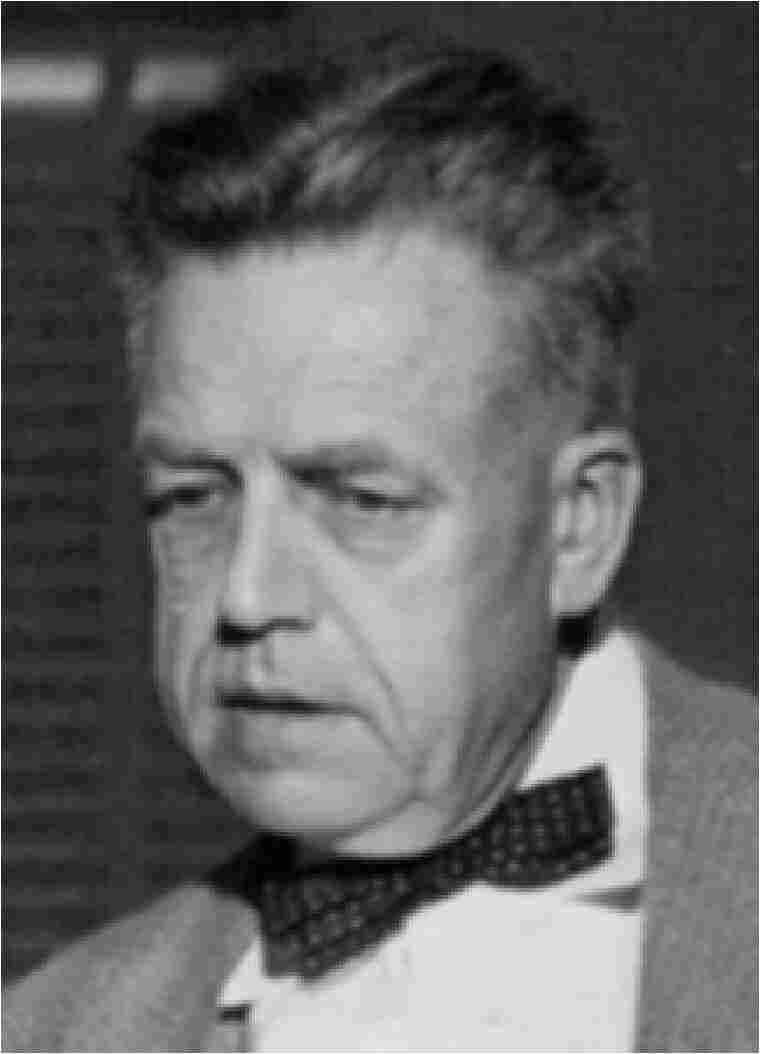
阿爾弗雷德 C. 金西(Alfred C. Kinsey),任職于美國印地安那州、布隆明頓、印地安那州立大學的動物學家,開始人類性行為規模最大的社會學研究。 金西(1894-1956) |
|
| 1945-46年 |
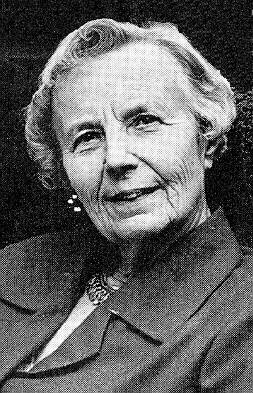
在斯堪的納維亞(Scandinavia,瑞典、挪威、丹麥、冰島的泛稱——譯者注)開展家庭計畫的開拓性工作多年以後,瑞典社會與性改革家伊莉斯•奧迪森-傑森(Elise Ottesen-Jensen)為創立國際計劃生育聯盟[International Planned Parenthood Federation (IPPF)]奠定了基礎。 奧迪森-傑森(1886-1973) |
|
| 1947年 | 阿爾弗雷德 C. 金西在印地安那大學創建“性研究所”(現在稱為金西研究所,Kinsey Institute) | |
|
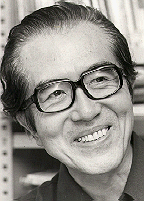
日本研究家朝山新一(Shin'ichi Asayama)開始其日本大學生性行為統計學調查。每5年重複一次這樣的調查達30年,最終達到總數超過20000個問卷答題者。 在美國,青黴素[於1928年由亞歷山大•弗萊明(Alexander Fleming)發現]大規模被用於治療性傳播疾病。 朝山新一(1908-1978) |
| |
| 1948年 | 阿爾弗雷德 C. 金西及其合作者沃德爾 B. 波默羅伊(Wardell B. Pomeroy)和克萊德 E. 馬丁(Clyde E. Martin)發表首部重大的研究成果《人類男性性行為》(Sexual Behavior in the Human Male)。 | |
| 在孟買,A. P. 皮雷(A. P. Pillay)醫生編輯《國際性科學雜誌》,該雜誌合併舊雜誌《婚姻與衛生》,首期於1934年發行。皮雷醫生的雜誌數年裏在印度的性科學領域未有匹敵者。此外,該雜誌於1950年發表了恩斯特•格拉芬伯格論女性射液的開創性論文。 | ||
|
在倫敦,誕於澳大利亞的婦科醫生諾曼•海爾(Norman Haire)開始發行《性教育雜誌》(The Journal of Sex Education),為普及性的科學教育雜誌。海爾是赫希菲爾德以及世界性改革聯盟前期學術領軍人物的朋友,他也創立了服務於大眾普及教育的“性教育學會”(Sex Education Society),時任會長。 海爾(1892-1952) |
 | |
| 1949年 | 西蒙娜•德•波伏娃(Simone de Beauvoir)發表其具有歷史及文化價值的研究專著《第二性》(Le deuxième sexe)(《第二性》的中文譯本最早為臺灣學者按照英文版翻譯,如果翻譯成《次等的性》則更為準確。1986年,中國大陸湖南文藝出版社根據臺灣譯本以《第二性——女人》的書名印製了該書的第二卷。1998年,中國書籍出版社出版了由陶鐵柱翻譯的全譯本,書名《第二性》。——譯者注),該著作要求終止傳統上對婦女的性別歧視。 《第二性》成了重新喚起女權主義運動的人文思想的里程碑 。 | 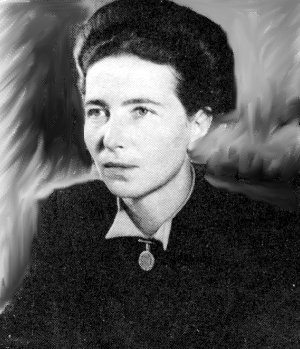 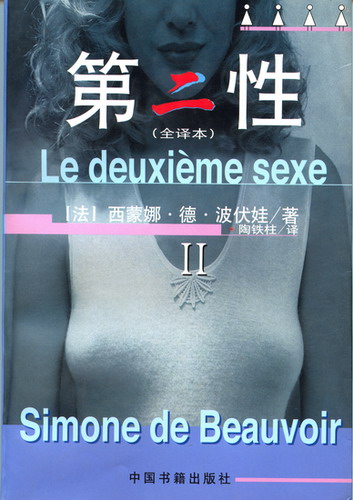
波伏娃(1908-1986)(更多照片)及《第二性》的中譯本 |
| 1950年 |
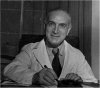
在紐約,已經逃脫在家鄉柏林的納粹迫害的婦科醫生恩斯特•格拉芬伯格再一次描述女性射液的現象,並喚起人們注意與尿道旁腺(paraurethral glands)有關的性欲喚起區——被人稱之為“格拉芬伯格點”(簡稱G-點)。 漢斯•基斯(Hans Giese)在法蘭克福建立“德國性研究學會”(Deutsche Gesellschaft für Sexualforschung)。 |
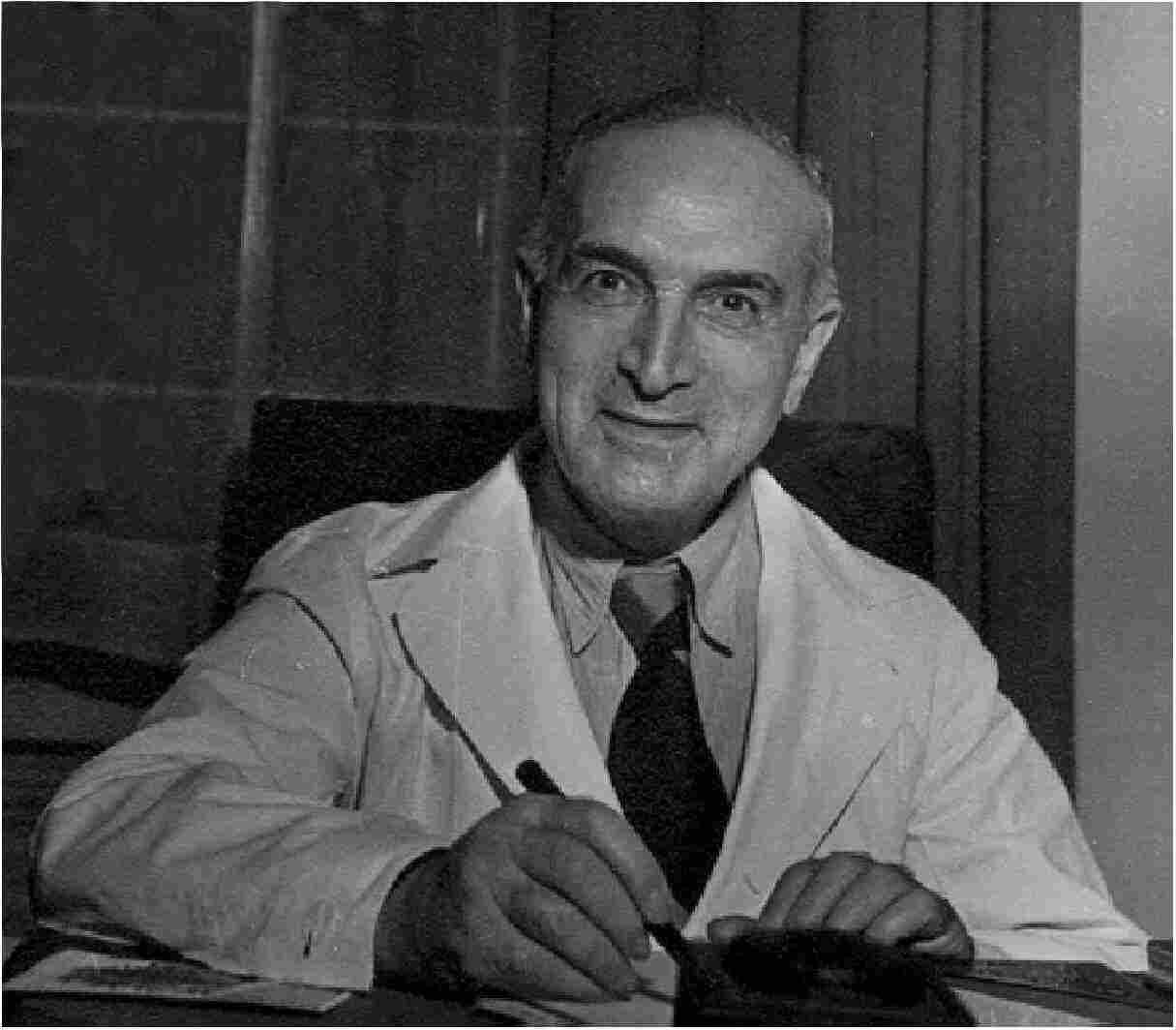
格拉芬伯格(1881-1957) |
| 1951年 |
克萊蘭 S. 福特(Clellan S. Ford)和弗蘭克 A. 畢琪(Frank A. Beach)出版其專著《性行為的模式》(Patterns of Sexual Behavior)。作者就性行為比較了近200個人類部落的風俗。通過含蓄地描寫,這本專著進一步摧毀了西方在性行為模式上的道德傳統的絕對論。 開發出首種激素類避孕藥。經過數年的試驗,“避孕藥丸”從1960年開始被廣泛地運用。 在洛杉磯,建立了美國第一個同性戀解放組織“馬特蕊協會”(Mattachine Society)。該協會不久在美國其他地區發展了地方分會。該組織的一些成員開始出版美國第一個同性戀權利雜誌《唯一》(ONE)。 |
|
| 1953年 | 阿爾弗雷德 C. 金西及其合作者沃德爾 B. 波默羅伊(Wardell B. Pomeroy)、克萊德 E. 馬丁(Clyde E. Martin)和保羅 H. 傑布哈德(Paul H. Gebhard)發表專著《人類女性性行為》(Sexual Behavior in the Human Female)。兩個《金西報告》基於來自全美超過12000名個人訪談資料(不是調查問卷)所作。訪談所顯示的婚前性行為、婚外性行為、女性的性能力、還有同性性行為的資料引發了來自保守宗教和政客的激烈反對。由於外界壓力的結果,金西未能獲得進一步的研究經費的支持。 | |
|
亨利•本傑明(Harry Benjamin)醫生,赫希菲爾德的朋友,于1913年就從柏林移居到了紐約,提出術語“transsexuals-性別改變者(或稱性別改換者、易性者)”,第一次與術語transvestites-易裝症者相區別。13年以後,他就這個主題發表專著《性別改變者現象》(The Transsexual Phenomenon)。 本傑明(1885-1986) |
|
|
| 1955年 |
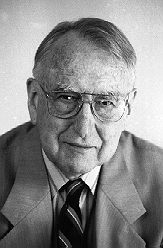
美國醫學精神病學家約翰•莫尼(John Money)提出“性”(sex)與“性別”(gender)的區分。這種區分引發了一個嶄新的和更為深邃的男女之間差別的討論。這種區分在性科學也在女性學研究方面越來越受到了重視。 莫尼(1921-) |
|
| 在三藩市,黛爾•馬丁(Del Martin)、菲利斯•萊昂(Phyllis Lyon,有人也把Lyon譯作列農——譯者注)和其他女性學者建立第一個女同性戀者解放組織“比利蒂斯傳承者”(The Daughters of Bilitis)。[1987年法國發行的一部電影,就叫“Bilitis”,反映女性權利、女同性戀和青春少女思春心理 。“比利蒂斯”這個名稱取自法國作家皮埃爾·魯易(Pierre Louys)的作品《比利蒂斯之歌》(The Songs of Bilitis,1894),為魯易想像性地從古希臘女詩人和社會抗爭者莎孚的歌曲聯唱曲目翻譯而成。——譯者注]由於她們抗爭的結果,她們發行的雜誌《抽絲》(The Ladder)(《中國性科學百科全書 》譯為《階梯》,可是ladder也有“抽絲,尤指長筒襪的抽絲”的含義,因此,創辦者使用該詞,初衷更可能指的是與女性有關的物品。——譯者注。) 在美國成為最富有影響力的傳媒。 |

馬丁(1921- )和萊昂(1924- ) | |
| 1957年 | 在纽约,从柏林逃离纳粹迫害的妇科医生汉斯·莱菲尔特(Hans Lehfeldt)与其同事一起建立美国“性科学学会”(Society for the Scientific Study of Sexuality,简称SSSS)。(该学会创办时的名称为“Society for Scientific Study of Sex”,近年把Sex改为Sexuality。因“近几十年来,在英语学术界,日益用“Sexuality”一词,取代往昔广义的“Sex”一词,……”——引自阮芳赋;译者注。) | |
| 1960年 |
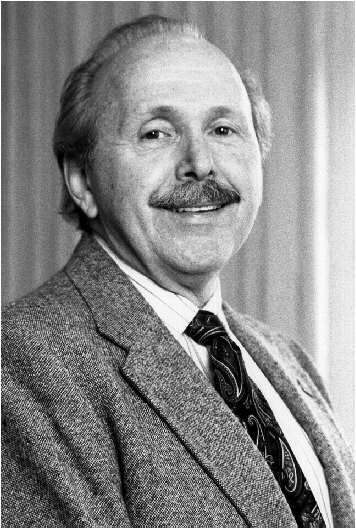
美國社會學家艾拉•瑞斯(Ira Reiss)在其著作《美國的婚前性行為標準》(Premarital Sexual Standards in America)中否決生物學上的性趨力(sex drive)的概念,而強調代之以人類的“社會承傳”(social heredity)的概念。他也預言了美國不久隨之而至的“性革命”。 瑞斯(1925-) |
|
| 1963年 |
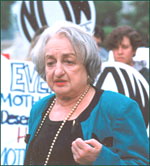
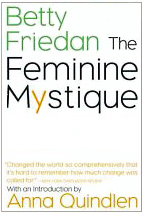
美國的貝蒂•弗裏登(Betty Friedan)出版她的著作《女性奧秘》(The Feminine Mystique),該書旗幟鮮明地反對社會對傳統家庭婦女角色的規定,認為這是欺騙。三年以後,弗裏登與人合作建立“婦女國民組織”(National Organization for Women,NOW)) 。 弗裏登(1921-2006) |
  |
| 1964年 | 在纽约,“美国性信息与教育咨询理事会”(Sexuality Information and
Education Council of the US ,SIECUS)由玛丽•斯泰肯•考尔德(Mary
Steichen Calderone)及其同仁所创立。该协会旨在为所有年龄、所有背景的人提供性教育。它支撑着一所研究图书馆和发行双月刊杂志《SIECUS报道》(SIECUS Report)。
斯泰肯•考尔德(1904-1998) |

|
| 1965年 |
由美國“性科學學會”(SSSS)發行的首期《性研究雜誌》(Journal of Sex Research)面世。 由金西創立的研究所出版《性犯罪者:性犯罪類型分析》(Sex Offenders: An Analysis of Types)。該專著的作者為保羅 H. 傑布哈德(Paul H. Gebhard)、約翰•蓋格農(John Gagnon)、德爾 B. 波默羅伊(Wardell B. Pomeroy)和科妮莉亞•柯瑞森松(Cornelia Christenson)。(據金西研究所提供的資料:該專著的素材於1940年初就已經收集完畢,且金西是素材的主要收集者。——譯者注) |
|
| 1966年 |
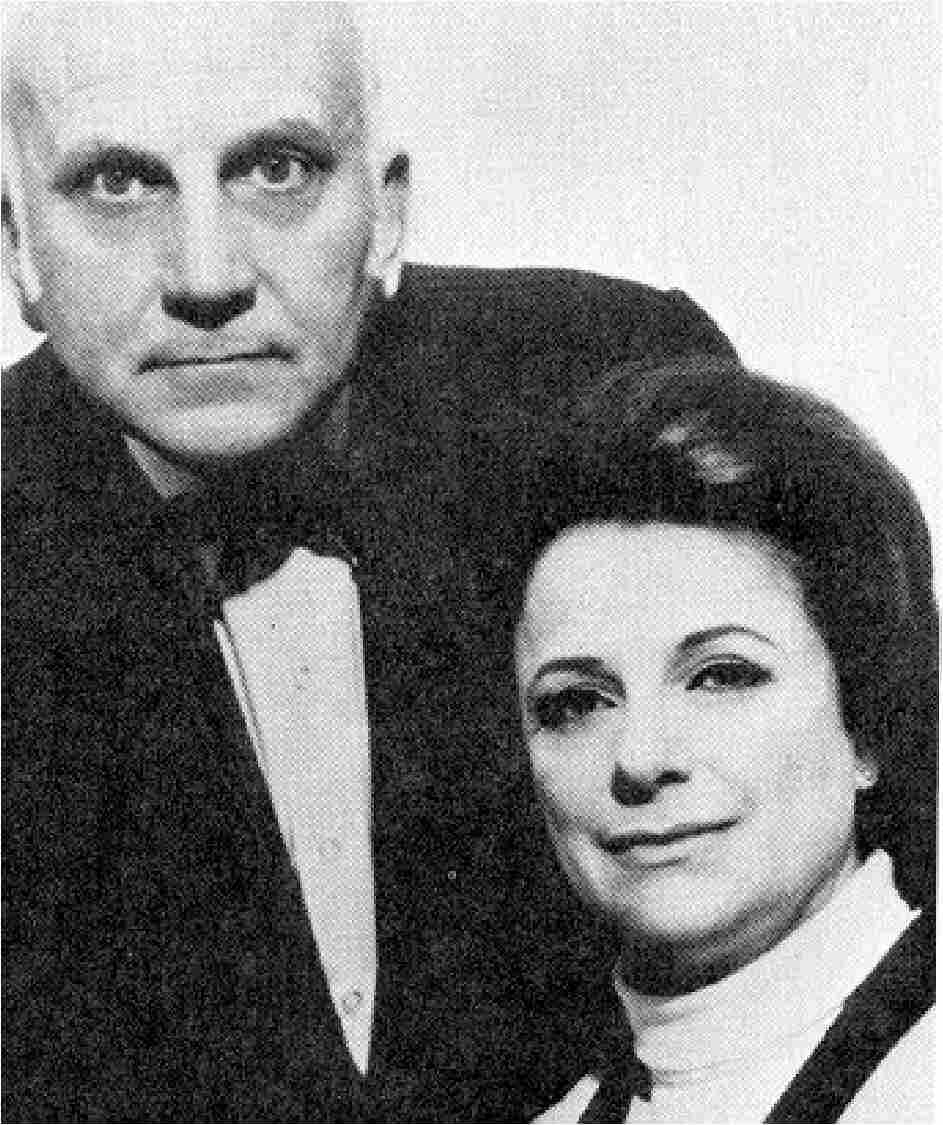
美國婦科醫生威廉 H. 馬斯特斯(William H. Masters)及其妻子維吉尼亞•詹森(Virginia Johnson)發表他們的性活動生理過程研究專著《人類性反應》(Human Sexual Response)。繼摩爾(Moll)和賴希(Reich)之後,他們再一次提出性反應的4-相劃分模式:1. 興奮期;2. 平臺期;3. 高潮期;4.消退期。 馬斯特斯(1915-2001)與詹森(1925-) |
|
| 1967年 | “美國性教育者、諮詢者和治療學家協會”(American Association of Sex Educators, Counselors and Therapists" ,AASECT) 創立。在缺乏美國政府專業職業標準之際,該非盈利專業機構向性健康開業人員頒發職業資格證,以作為在其領域執業資質證明。 隨後,在日本、印度和南美洲等國家和地區,AASECT模式成為仿效的範例。 | |
| 1968年 | 英國學者瑪麗•麥金托什(Mary McIntosh)調查“同性戀角色”(The Homosexual Role),得出結論道:同性戀現象不是某些個人確定無疑的生物或心理狀態,這些人只是把自己與其他人區別開來,或者更確切地說,同性戀作為一種標籤由他人和/或由他們自己標注在其身上。同性戀是一種由社會建構的角色,某些男女自願或不自願地扮演著同性戀角色;而那些現行性行為可能並沒有較大差異的其他人並不扮演這種角色。諸如此類的概念最終在“素質決定論者”(essentialists,大多數為自然科學家)和“建構決定論者”(constructionists,大多數是社會科學家)之間引發了激烈的論爭;前者仍然篤信某種素質決定了同性戀,後者卻不再隨和這種信條。 | |
| 1970年 | 馬斯特斯和詹森發表性功能障礙研究專著:《人的性功能不足》(Human Sexual Inadequacy)。該書成為新行為療法的“性治療”基礎。 | |
| 1971年 |
美國精神病學家理查•格林(Richard Green)創立“國際性研究學會”(International Academy of Sex Research)。該學會開辦雜誌《性行為檔案》(Archives of Sexual Behavior)。 羅洛•金多伏(Rolf Gindorf) 創建“德國社會科學性研究學會”(Deutsche Gesellschaft für Sozialwissenschaftliche Sexualforschung,DGSS)。 |
|
| 1973年 |
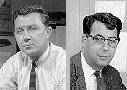
美國性社會學研究家約翰•加格農(John Gagnon)和威廉•西蒙(William Simon)發表專著《性舉止:人類的性的社會基礎》(Sexual Conduct: The Social Sources of Human Sexuality)。他們把性行為描述成“腳本的(scripted)”行為,也就是說把人的性行為說成是按照某一“腳本(script)”所進行的行為、而不是按照各個個體的交互作用所整合成的模式行為,因為由社會公共機構、家人、友人、同齡人等所提供的腳本有的時候是相互矛盾的。這樣的腳本提供了在特定情形之下,什麼是“性”、什麼不是“性”的範型、模式或定義;這樣的腳本在特定情形之下提供了如何詮釋“性”和如何處理“性”。既然各個個體常常面臨著競賽性的、甚或相互排斥的腳本,那麼個人在性這個領域對各種各樣的腳本有著抵觸是一個常規。帶著這些及與之相似的論點,該書作者駁回了曾一度在世界範圍盛行的人的“性驅力(sex drive)”的概念。 美國精神病學會把“同性戀”從其《精神病診斷與統計手冊》中刪除。因而,照一支筆刪除後的字面意義上看,同性戀有病的標籤被人從成千上萬男男女女的身上給摘除了。從這個時刻起,“同性戀者”再一次獲得了健康——在醫學史上最偉大和最迅速的大規模治癒疾病事件就這樣發生了。 |

加格農和西蒙 |
| 1974年 | 世界衛生組織(WHO)在日內瓦召集性科學家及公共衛生保健專家大會。會議的成果是在翌年出版了一個報告:《人類的性教育與性治療:衛生保健專業人員的培訓》(Education and Treatment in Human Sexuality: The Training of Health Professionals)。其中,該報告建議性科學在教育領域和健康保健專業人員的培訓中,應該成為一門獨立的學科。 | |
| 在漢斯·萊菲爾特(Hans Lehfeldt)的發起下,首屆世界性學大會在巴黎召開。其他各屆大會隨後相繼在蒙特利爾(1976年)、羅馬(1978年)、墨西哥城(1979年)、耶路撒冷(1981年)、華盛頓特區(1983)、新德里(1985)、海德爾堡(1987年)、加拉加斯(1989年)、阿姆斯特丹(1991年)、里約熱內盧(1993年)、橫濱(1995年)、巴倫西亞(1997年)、香港(1999年)、巴黎(2001年)、哈瓦那(2003年)和蒙特利爾(2005年)召開。 |

萊菲爾特 | |
|
《同性戀雜誌》(Journal of Homosexuality)首期發行,由查理斯•西爾沃斯坦(Charles Silverstein)編輯。不到幾年,該雜誌的編輯職位移手給心理學家約翰 P.德•瑟科(John P. De Cecco),他把該雜誌變成了直到今天也仍然處於領先地位的研究性取向的雜誌。(西爾沃斯坦是美國精神病學會疾病分類委員會成員,該委員參與將同性戀從美國《精神病診斷與統計手冊》刪除的工作——譯者注) 在英國,創立“性與婚姻治療家協會”(Association of Sexual and Marital Therapists),後來改成“英國性與婚姻治療協會”(the British Association for Sexual and Marital Therapy ,BASMT)。 |
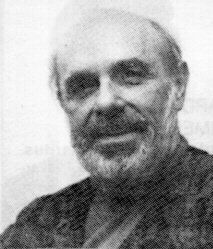
西爾沃斯坦 | |
| 1976年 | 在三藩市,“高級性學研究院”(The Institute for Advanced Study of Human Sexuality,簡稱IASHS)創建,為一個州政府批准和認可的提供性學碩士和博士學位的私人研究生院。(美國所有大學或學院,都是由所在的州政府審批,並無亞洲所稱的“國立”。IASHS建校校長是T. 麥基爾文納牧師,Ted McIlvenna, 現仍任院長) 麥基爾文納牧師(Ted McIlvenna, 繼任至今。——校者注)。該校的首任學術院長為沃德爾 B. 波默羅伊(Wardell B. Pomeroy),他從前(參見1948、1953年)是阿爾弗雷德 C. 金西最親密的合作者。 |
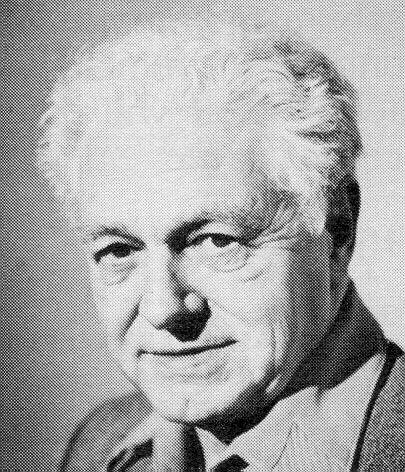
波默羅伊(1913-2001) |
| 1977年 | 在英國,夏洛特·沃爾夫(Charlotte Wolff,1897-1986),一位生於柏林、已經逃離納粹的治療學家,出版她的開創性著作《雙性戀:一項研究的課題》(Bisexuality: A Study)。 | |
| 1978年 | 世界性學會(WAS)在羅馬創建。該學會旨在承擔組織後來的一系列世界性學大會的責任。 | |
| 1981年 | 在洛杉磯、三藩市和紐約,報告了首個新的、致死性、傳染性疾病病案。不久,該疾病以愛滋病 ( AIDS,HIV 感染)的病名為眾所周知。既然這種疾病通過性行為可傳染,那麼它就既與性行為也與性研究有著千絲萬縷的聯繫。 | |
| 1986年 | “美國全國性學行業委員會” (American Board of Sexology,ABS)在華盛頓特區成立。這個職業管理機構給符合其嚴格執業准入標準的性科學家頒發資格證。 | |
| 1988年 | 統一後的德國首期《性研究雜誌》(Zeitschrift für Sexualforschung)發行。 | |
| 1989年 | “歐洲性學聯會”(European Federation of Sexology,EFS)在日內瓦創立。 | |
| 1990年 |
“亞洲性學聯會”(Asian Federation for Sexology,AFS)在香港“亞洲首屆性學大會”召開之際成立。(當時成立的為籌備委員會;香港大學瑪麗醫學院精神病醫生、性學家吳敏倫教授任會長。——譯者注) “美國臨床性學家院”(American Academy of Clinical Sexologists)在華盛頓特區成立。它是“美國全國性學行業委員會”的姊妹組織,為符合資質能力的醫生、性治療師和性諮詢師頒發證書。 |
|
|
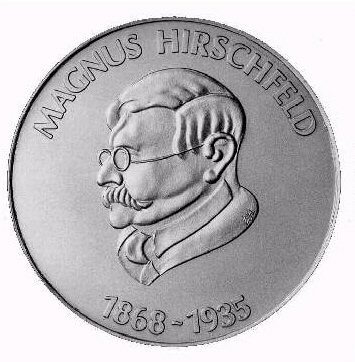
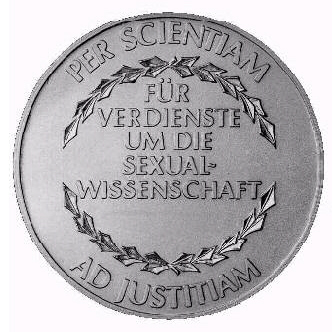
在Charité和德國國會大廈,由德國社會科學性研究學會(DGSS)和來自洪堡大學的同事召集第三屆“柏林國際性學大會”(International Berlin Conference for Sexology),大會有來自個20個國家的性科學家參加(前兩次對等的大會由赫希菲爾德於1921年和由墨爾於1926年分別召集)。該次大會也是DGSS的第10屆全國大會,會議頒發了DGSS新近設立的赫希菲爾德勳章,將性科學與性改革獎將頒發給歐尼斯特·波曼(Ernest Borneman,奧地利)和赫爾曼·繆沙夫(Herman Musaph,荷蘭)。 赫希菲爾德勳章 |
| |
| 1991年 |
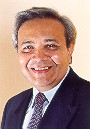
印度醫生普諾凱西·高塔里(Prakash Kothari)在新德里組織召開“國際第一屆性高潮研討會”。 高塔里(?-) |
|
| 1992年 | 德國社會科學性研究學會(DGSS)和來自洪堡大學的同事再一次召集第四屆“柏林國際性科學大會”(International Berlin Conference for Sexology),該次大會也是DGSS的第11屆全國大會,會議頒發了DGSS赫希菲爾德勳章,將性科學與性改革獎將頒發給約翰·德·瑟科 (John De Cecco,美國)和Imre Aszódi (匈牙利) 。 | |
|
上海社會學家劉達臨及其合作者發表多卷調查研究報告《當代中國性行為:全國2萬例男女性調查報告》(該調查報告在中國以《當代中國性文化——全國2萬例男女性調查報告》的書名發表——譯者注)。該專著(以中文撰寫和印刷)被提交到“第二屆亞洲性學大會”(Second Asian Conference of Sexology)(美國版與1997年出版)。 首屆“歐洲性學聯會”大會(European Federation of Sexology,EFS)在陶爾米納(Taormina,義大利西西里島東部一城鎮)召開。 |
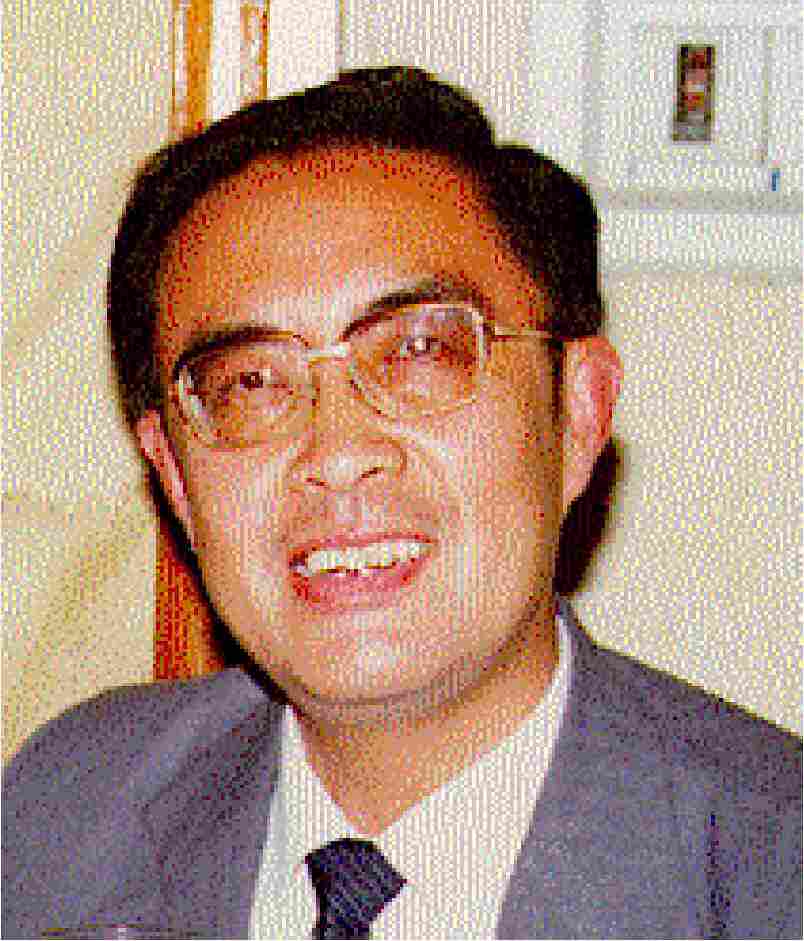
劉達臨 | |
| 1994年 |
德國社會科學性研究學會(DGSS)和洪堡大學的同事再一次組織召開第四屆“柏林國際性學大會”(International Berlin Conference for Sexology),以紀念馬格納斯赫希菲爾德性科學研究所(于1919年創立)75周年。該次大會也是DGSS的第12屆全國大會。 聯邦羅伯特·科赫研究所(The federal Robert Koch Institute,)在柏林郊區開放其性學檔案館,因此,這標誌著柏林這個城市的性學傳統、尤其赫希菲爾德研究所的性學研究傳統正在恢復活力。該檔案館在固定的時間對公眾開放。 第三屆亞洲性科學大會(Third Asian Conference of Sexology )在新德里召開。 |
|
| 1995年 |
通過與羅伯特·科赫研究所性學檔案館的合作,劉達臨(中國上海)的性文物收藏品在柏林展出,開展主題是“中華性文化5千年”("5.000 Years of Sexual Culture in China") 第十二屆世界性學大會(XII. World Congress of Sexology)在日本橫濱召開。 |
|
| 1996年 |
羅伯特·科赫研究所性學檔案館搬到柏林市中心。 性學與性醫學研究所(Institute for Sexology and Sexual Medicine)在柏林的Charité創立。 亞洲性學聯會在臺北召開第四屆亞洲性科學大會(IV. Asian Conference of Sexology)。 |
|
| 1997年 |
第十三屆世界性科學與人權大會(XIII. World Congress of Sexology and Human Rights)在西班牙的巴倫西亞召開。大會發表性權利宣言。 召開第六屆“柏林國際性學大會”:同性戀解放100周年(International Berlin Conference for Sexology: "100 years of Gay Liberation")從5-8月,柏林藝術學院展出“同性戀行動100周年”(100 Years of Gay Activism)展品。 |
|
| 1998年 | 亞洲性學聯會 (AFS) 在韓國首爾(Seoul)召開第五屆性學大會。 | |
| 1999年 | 世界性學會(The World Association of Sexology,WAS)在香港召開第十四屆性科學大會( XIV. World Congress of Sexology in Hong Kong)。 | |
| 2000年 | “歐洲性學聯會”(European Federation of Sexology,EFS)在柏林舉行第5屆性學大會。 | |
| 2001年 | 性社會科學大會(Social Science Conference on Human Sexuality)在杜勃羅文克(Dubrovnik,克羅地亞西南部城市——譯者注)召開。 | |
| 第十五屆世界性學大會(15th World Congress of Sexology)在巴黎召開。 | ||
| 2003年 | 第十六屆世界性學大會(16th World Congress of Sexology)在哈瓦那召開。(譯者補充) | |
| 2005年 | 第十七屆世界性學大會(17th World Congress of Sexology)在蒙特利爾舉行。(譯者補充) | |
 請注意:本姓名位址目錄依賴于感興趣的讀者的錄入。如果需要校正、添加和提出建議,請聯繫:歐文
H.
黑伯樂(Erwin
Haeberle)
<haeberlee@web.de>
請注意:本姓名位址目錄依賴于感興趣的讀者的錄入。如果需要校正、添加和提出建議,請聯繫:歐文
H.
黑伯樂(Erwin
Haeberle)
<haeberlee@web.de>
| 1938 | Alfred C. Kinsey, a zoologist at Indiana University in Bloomington, IN, USA begins his mostly sociological studies of human sexual behavior. | |
| 1945 -46 |
After many years of pioneering work for family planning in Scandinavia, the Swedisch social and sexual reformer Elise Ottesen-Jensen lays the groundwork for the founding of the International Planned Parenthood Federation (IPPF). | 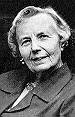 |
| 1947 | Alfred C. Kinsey founds the "Institute for Sex Research" (today called Kinsey Institute) at Indiana University. | |
| The Japanese researcher Shin'ichi Asayama begins his
statistical surveys of the sexual behavior of Japanese students. He
repeats such surveys every five years for over 30 years, eventually
reaching a total of over 20.000 respondents.
In the USA penicillin (discovered in 1928 by Alexander Fleming) and other antibiotica are, on a grand scale, used to cure sexually transmitted diseases. |
| |
| 1948 | Alfred C. Kinsey and his collaborators Wardell B. Pomeroy and Clyde E. Martin publish their first great study "Sexual Behavior in the Human Male". | |
| In Bombay, the physician A. P. Pillay edits the "The International Journal of Sexology", incorporating the older journal "Marriage and Hygiene", first issued in 1934. For several years, Dr. Pillay's journal has no competition in the field. Among other things, in 1950 it publishes Ernst Gräfenberg's pathbreaking article on female ejaculation. | ||
| In London, the Australian-born gynecologist Norman Haire begins the publication of "The Journal of Sex Education", a scientific journal for the educated general public. Haire, a friend of Hirschfeld's and a former leader in the World League for Sexual Reform, is also the founder and president of a "Sex Education Society", which offers public lectures. | | |
| 1949 | Simone de Beauvoir publishes her historical and socio-cultural study "Le deuxième sexe" (The Second Sex), which demands an end to the traditional discrimination against women. It becomes an important literary milestone for a newly awakened feminist movement. | |
| 1950 | In New York, the gynecologist Ernst
Gräfenberg, who had escaped his persecution by the Nazis in his
hometown Berlin, again describes the phenomenon of female ejaculation and
calls attention to a female erogenous zone in connection with the
paraurethral glands - the so-called Gräfenberg spot
(G-spot).
Hans Giese in Frankfurt/M. founds the "Deutsche Gesellschaft für Sexualforschung" (German Society for Sex Research). |
 |
| 1951 | Clellan S. Ford and Frank A. Beach publish their
study "Patterns of Sexual
Behavior". The authors compare nearly 200 human societies with regard
to their sexual behavior. By implication, the book further undermines the
traditional Western moral absolutism in sexual matters.
The first hormonal contraceptive is developed. After being tested for several years, "the pill" becomes widely available beginning in 1960. In Los Angeles, the first American homosexual liberation organization, the "Mattachine Society", is founded. It soon develops chapters in other parts of the US. Some of its members begin to publish the first American gay rights journal "ONE". |
|
| 1953 | Alfred C. Kinsey and his collaborators Wardell B. Pomeroy, Clyde E. Martin and Paul H. Gebhard publish "Sexual Behavior in the Human Female". Both "Kinsey Reports" are based on personal interviews (not questionnaires!) with over 12.000 individuals from all over the USA. The extent of demonstrated premarital and extramarital intercourse, the sexual capacities of women as well as the extent of homosexual behavior lead to vehement attacks by conservative religious and political leaders. As a result of this pressure, Kinsey is denied further financial support for his research. | |
| The physician Harry Benjamin, a friend of Hirschfeld's, who, in 1913, had moved to New York from Berlin, introduces the term "transsexuals", distinguishing them for the first time from the transvestites. 13 years later, he publishes the first book on the subject: "The Transsexual Phenomenon". |
|
|
| 1955 | The American medical psychologist John Money introduces the distinction between "sex" and "gender". This contributes to a new and more sophisticated discussion of the differences between men and women. The distinction gains increasing importance in sexology and also in Women's Studies. |
|
| In San Francisco, Del Martin, Phyllis Lyon and other women found the first Lesbian emancipation organization "The Daughters of Bilitis". Their journal "The Ladder" becomes one of the most influential vehicles for their cause in the US. | 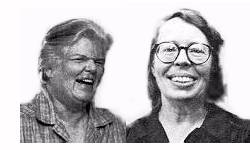
| |
| 1957 | The New York gynecologist Hans Lehfeldt, who had escaped from the Nazis in Berlin, founds, together with others, the American "Society for the Scientific Study of Sexuality" (SSSS). | |
| 1960 | The American sociologist Ira Reiss in his book "Premarital Sexual Standards in America" rejects the notion of a biological sex drive, stressing instead human "social heredity". He also predicts the soon following "sexual revolution" in the US. |
|
| 1963 | The American Betty Friedan publishes her book "The Feminine Mystique", which articulates a rebellion against the imposed traditional role of the housewife. Three years later, Friedan co-founds the "National Organization for Women" (NOW). | |
| 1964 | In New York, the Sexuality Information and Education Council of the US (SIECUS) is founded by the physician Mary Steichen Calderone and others. This membership organization is devoted to sexuality education for people of all ages and backgrounds. It maintains a research library and publishes a bimonthly journal, the "SIECUS Report". | 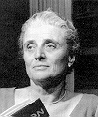 |
| 1965 | First issue of the "Journal
of Sex Research", a publication of the SSSS.
The institute founded by Alfred C. Kinsey publishes "Sex Offenders: An Analysis of Types". The authors are Paul H. Gebhard, John Gagnon, Wardell B. Pomeroy and Cornelia Christenson.(“The material for this text was compiled by Kinsey and his associates beginning in 1940.”-glossographer:Xiaohui Peng) |
|
| 1966 | The American gynecologist William H. Masters and his wife Virginia Johnson publish their study of the physiological processes during sexual activity: "Human Sexual Response". After Moll and Reich, they again suggest a 4-phase model of the sexual response. 1. excitement, 2. plateau, 3. orgasm, 4. resolution. | 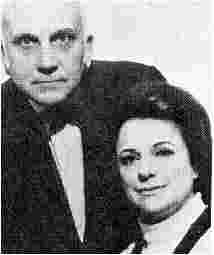 |
| 1967 | The "American Association of Sex Educators, Counselors and Therapists" (AASECT) is founded. In the absence of American governmental standards, this non-profit professional organization certifies sexual health practitioners as qualified in their respective fields. The AASECT example is later followed in Japan, India, and South America. | ||
| 1968 | The British scholar Mary McIntosh investigates "The Homosexual Role", coming to the conclusion that homosexuality is not a definite biological or psychological condition of certain individuals, which distinguishes them from everyone else, but rather a label attached to them by others and/or by themselves. It is a socially constructed role which is played voluntarily or involuntarily by some men and women, but not by others whose actual sexual behavior may not be much different. Ideas such as this eventually lead to a dispute between "essentialists" (mostly natural scientists), who continue to believe in some essential homosexuality, and "constructionists" (mostly social scientists), who no longer share this belief. | ||
| 1970 | Masters and Johnson publish their study of sexual dysfunctions: "Human Sexual Inadequacy". The book becomes the basis for a new behavioral "sex therapy". | ||
| 1971 | The American psychiatrist Richard Green founds the
"International Academy of Sex Research". The Academy publishes the journal
"Archives of Sexual Behavior".
Rolf Gindorf founds the "Deutsche Gesellschaft für Sozialwissenschaftliche Sexualforschung" (DGSS = German Society for Social-Scientific Sex Research). |
||
| 1973 | The American sociological sex researchers John Gagnon
and William Simon publish their book "Sexual Conduct: The Social Sources
of Human Sexuality". They describe sexual behavior as 'scripted' behavior
i.e. as a pattern of conduct following a certain 'script' or rather an
interactively acquired individual combination of several, sometimes
contradictory scripts provided by social institutions, family, friends,
peer groups etc. Such scripts provide models, patterns, or definitions of
what is or is not 'sexual' in a particular situation, how to interpret it
and how to deal with it. Since the individual is often faced with
competing or even mutually exclusive sexual scripts, personal conflicts of
various kinds in this area are common. With these and similar arguments,
the authors dismiss the once popular notion of a universal human 'sex
drive'.
The American Psychiatric Association strikes the diagnosis "homosexuality" from its "Diagnostic and Statistical Manual". Thus, literally with the stroke of a pen, the label of illness is removed from millions of men and women. From that moment on, 'homosexuals' are healthy again - the greatest and fastest mass cure in medical history. |
 | |
| 1974 | The World Health Organization (WHO) in Geneva convenes a meeting of sexologists and experts in public health. As a result, it publishes a report in the following year: "Education and Treatment in Human Sexuality: The Training of Health Professionals". The report recommends, among other things, that sexology should become an autonomous discipline in the education and training of health professionals. | ||
| At the initiative of Hans Lehfeldt, the first World Congress of Sexology is organized in Paris. Other such congresses follow in Montréal (1976), Rome (1978), Mexico City (1979), Jerusalem (1981), Washington, DC. (1983), New Delhi (1985), Heidelberg (1987), Caracas (1989), Amsterdam (1991), Rio de Janeiro (1993), Yokohama (1995), and Valencia (1997). The next congresses will be held in Hong Kong (1999) and Paris (2001). | | ||
| First issue of the "Journal of Homosexuality", edited
by Charles Silverstein. Within a few years, its editorship passes into the
hands of the psychologist John P. De Cecco who turns it into the leading
journal of research on sexual orientation that it remains to this
day.
In Great Britain, the Association of Sexual and Marital Therapists is formed, later to become the British Association for Sexual and Marital Therapy (BASMT). |
 | ||
| 1976 | In San Francisco, "The Institute for Advanced Study of Human Sexuality" is founded, a state-approved private graduate school which offers state-approved Master's and Doctoral degrees in sexology. Its Academic Dean is Wardell B. Pomeroy, formerly the closest collaborator of Alfred C. Kinsey's. | 
| |
| 1977 | In England, Charlotte Wolff, a Berlin-born therapist who had escaped the Nazis, publishes her pioneering book "Bisexuality: A Study". | ||
| 1978 | In Rome the World Association for Sexology (WAS) is founded. It assumes the responsibility of organizing the subsequent World Congresses of Sexology. | ||
| 1981 | In Los Angeles, San Francisco, and New York, the first cases of a new, deadly infectious disease are reported. It soon becomes known under the name of AIDS (HIV Infection), and it spreads all over the globe. Since the disease is sexually transmissible, it has enormous implications for both sexual behavior and the study of sex. | ||
| 1986 | The "American Board of Sexology" (ABS) is organized in Washington, D.C. This professional organization awards the status of diplomate to sexologists who meet its rigorous standards. | ||
| 1988 | First issue of the new German "Zeitschrift für Sexualforschung" (Journal for Sex Research). | ||
| 1989 | The "European Federation of Sexology" (EFS) is founded in Geneva. | ||
| 1990 | The "Asian Federation for Sexology" (AFS) is founded
in Hongkong on the occasion of the "First Conference of Sexuality in
Asia".
The "American Academy of Clinical Sexologists" is organized in Washington, D.C. This sister organization of the American Board of Sexology provides professional recognition for qualified physicians, sex therapists and sex counselors. |
||
| At the Charité and at the Reichstag the III. "International Berlin Conference for Sexology", organized by the DGSS and colleagues from Humboldt- University, unites participants from 20 countries. (The first two comparable conferences had been organized by Hirschfeld in 1921 and Moll in 1926). This meeting is also the 10th national conference of the DGSS, which awards its newly created Magnus Hirschfeld Medals for Sexual Science and Sexual Reform to Ernest Borneman (Austria) and Herman Musaph (Netherlands). |
| ||
| 1991 | The Indian physician Prakash Kothari organizes the "First International Conference on Orgasm" in New Delhi. | | |
| 1992 | IV. "International Berlin Conference for Sexology", again organized by the DGSS and colleagues from Humboldt University. This meeting is also the 11th national conference of the DGSS, which awards its Magnus Hirschfeld Medals for Sexual Science and Sexual Reform to John De Cecco (USA) and Imre Aszódi (Hungary). | ||
| The Shanghai sociologist Dalin Liu and his
collaborators publish their voluminous study "Sexual Behavior in Modern China: Report of the Nation-Wide Survey of 20 000 Men and Women". The book
(written and printed in Chinese) is presented at the Second Asian
Conference of Sexology (American edition published in 1997).
"First Conference of the European Federation of Sexology" (EFS) in Taormina. |
| ||
| 1994 | V. "International Berlin Conference for Sexology",
again organized by the DGSS and colleagues from Humboldt University,
commemorating the 75th anniversary of the opening of Magnus Hirschfeld's
Institute for Sexology (founded in 1919). This meeting is also the 12th
national conference of the DGSS.
The federal Robert Koch Institute in Berlin opens its Archive for Sexology in a suburb of Berlin, thereby reviving the city's sexological tradition, especially that of Hirschfeld's institute. The Archive is accessible to the public at regular openig hours. Third Asian Conference of Sexology in New Delhi. |
||
| 1995 | In collaboration with the Robert Koch Institute,
Archive for Sexology, the sexological collection of Dalin Liu, Shanghai,
is shown in Berlin under the title "5.000 Years of Sexual Culture in China".
XII. World Congress of Sexology in Yokohama, Japan. |
||
| 1996 | The Archive for Sexology of the Robert Koch Institute
moves to the center of Berlin.
The Institute for Sexology and Sexual Medicine is founded at the Charité Berlin. The Asian Federation for Sexology (AFS) holds its IV. Asian Conference of Sexology in Taipei. |
||
| 1997 | XIII. World Congress of Sexology and Human Rights in
Valencia, Spain. The congress issues a declaration of sexual
rights.
VI. International Berlin Conference for Sexology: "100 years of Gay Liberation". From May to August, the Academy of Arts in Berlin shows an exhibition "100 Years of Gay Activism". |
||
| 1998 | The Asian Federation for Sexology (AFS) holds its V.Asian Conference of Sexology in Seoul, Korea. | ||
| 1999 | The World Association of Sexology (WAS) holds its XIV. World Congress of Sexology in Hong Kong. | ||
| 2000 | The European Federation of Sexology (EFS) holds its 5th Congress in Berlin. | ||
| 2001 | Social Science Conference on Human Sexuality in Dubrovnik, Croatia. | ||
| 15th World Congress of Sexology in Paris. |